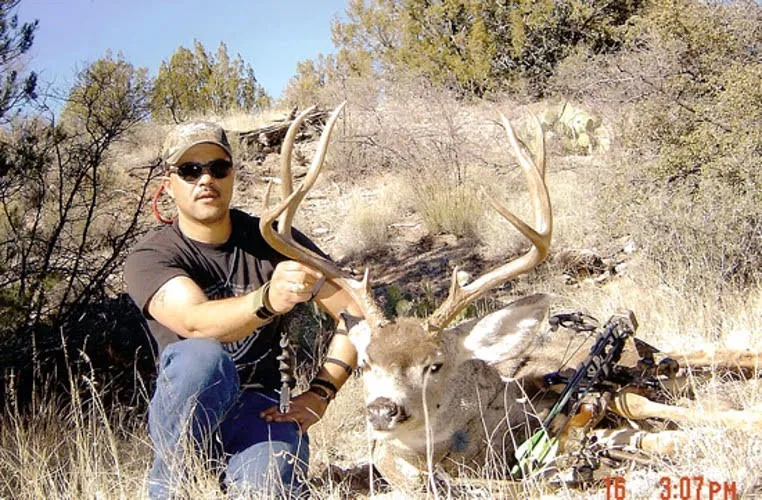
The Apache National Forest straddles the Arizona–New Mexico border and produces some of the finest mule deer hunting in the Southwest. With elevations ranging from 6,000 to over 10,000 feet, the habitat diversity creates outstanding conditions for growing big-bodied, heavy-antlered bucks. Here's what you need to know about the top units.
Unit 12 – Consistent Trophy Quality
Unit 12 sits on the western edge of the Apache forest and regularly produces bucks in the 170–190 class. The terrain is a mix of high-mesa juniper flats and timbered canyons. Bucks tend to bed in the thick stuff and feed on the edges at dawn and dusk. This is classic spot-and-stalk country with excellent glassing opportunities.
Draw odds are competitive but manageable with 2–3 preference points. Late October rifle seasons overlap with the pre-rut, when bucks start moving more during daylight hours.
Unit 13 – High Buck Density
Adjacent to Unit 12, Unit 13 has slightly lower elevations and more open terrain. What it lacks in extreme trophy potential it makes up for in numbers. If you want guaranteed encounters with multiple bucks per day, this is your unit. Great for first-time mule deer hunters or those who want a high-odds tag.
Unit 17 – The Dark Horse
Unit 17 covers some of the most remote terrain on the Apache. Access is limited, roads can be rough, and the country is steep. But that remoteness translates to less pressure and bigger bucks. This is a unit where having a guide who knows the old logging roads and water sources makes the difference.
When to Hunt
The New Mexico mule deer rifle season generally runs from late October through mid-November. We recommend hunting the earliest available dates when bucks are still on summer patterns and less pressured. Snow can push deer to lower elevations later in the season, which can be advantageous depending on the year.
What to Expect Physically
Mule deer hunting here involves more glassing and less hiking than elk hunting, but don't underestimate the terrain. Once you spot a buck, the stalk can require significant elevation changes and navigating through loose rock and tight timber. Good optics (15×56 binos and a spotting scope) are essential.
Our Recommendation
For trophy bucks, Unit 12 is the top pick. For higher encounter rates and easier draw odds, Unit 13 is a smart play. Unit 17 rewards the adventurous hunter willing to go deep. Check out our Mule Deer Hunt page for pricing and dates.
Chase Trophy Muleys on the Apache
We guide mule deer in the Apache every fall. Let us put you on a buck worth driving home with.
Book Your Mule Deer Hunt